
Simple Steps to Start Building Wealth
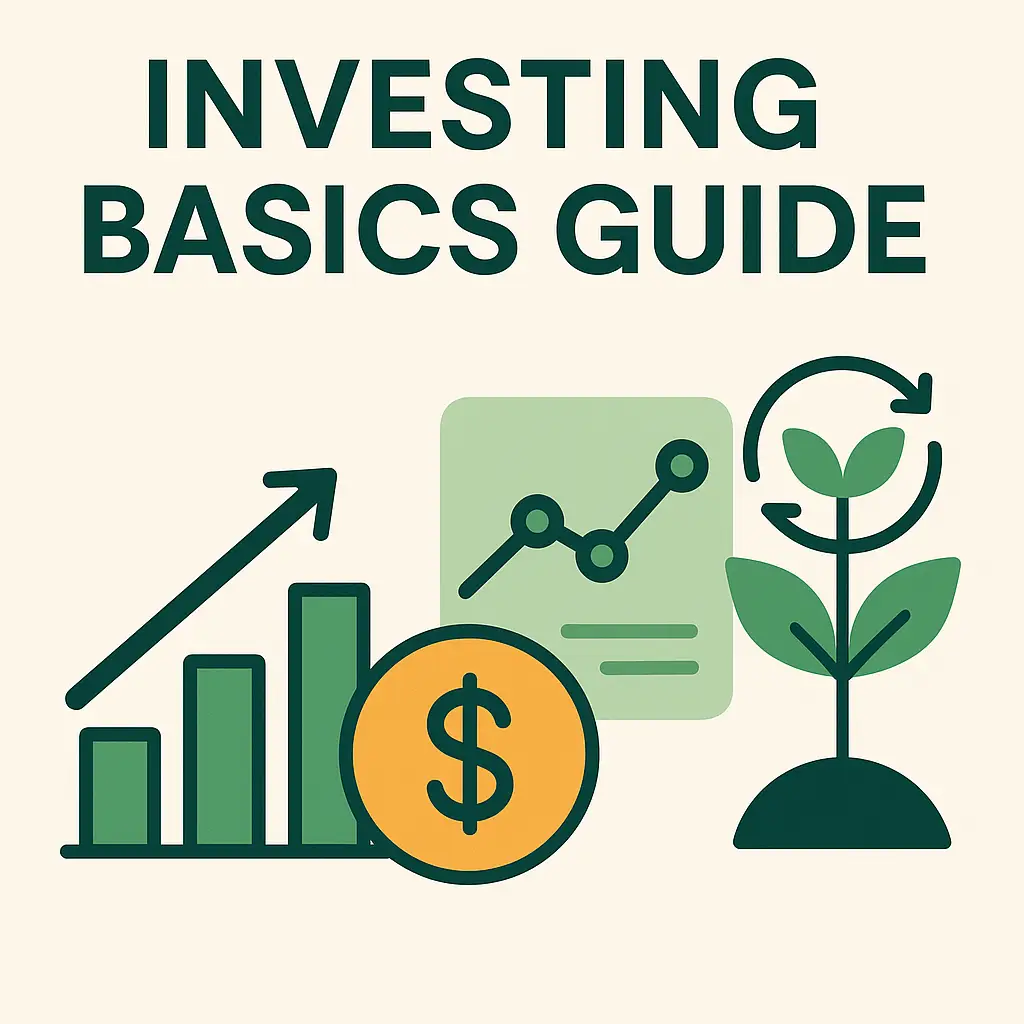
This investing basics guide gives you a clear, friendly path to understanding how investing works and how you can start with small, manageable steps. Investing often feels complicated, yet the core ideas are simple. With steady habits and a little patience, your money can grow in the background while you focus on life. As this guide expands, you’ll find deeper articles and examples linked right here.
Investing Basics Guide: What Investing Really Means
Investing is the process of putting your money into things that can grow in value. Instead of relying only on savings, investing gives your money a chance to work for you. Over time, even small deposits can turn into something meaningful.
Because investing builds on patience, it rewards consistency more than speed.
Why Investing Matters More Than Most People Think
Many adults skip investing because they worry about risk, feel overwhelmed, or believe they need a lot of money to start. However, avoiding it can slow your progress. Prices rise each year, and saving alone rarely keeps up.
Fortunately, investing offers a way to grow your money faster than inflation. When you start early—even with tiny amounts—you give your money more time to compound.
How Investing Works: A Simple Explanation
Investing follows an easy pattern:
-
You put money into something that can grow.
-
It earns returns through interest, dividends, or price increases.
-
Those returns create even more returns over time.
This cycle is called compound growth. Because it snowballs, your early steps matter more than you think.
Common Investment Types Explained Simply
You don’t need to know everything to get started. However, learning a few basics makes investing less intimidating.
Stocks
You own a small piece of a company. Stocks can grow quickly, although their prices move up and down.
Bonds
You lend money to a company or government. Bonds usually grow slower but offer more stability.
ETFs (Exchange-Traded Funds)
These are baskets of stocks or bonds. Because they spread out risk, they’re great for beginners.
Mutual Funds
Similar to ETFs, but managed by professionals who choose what goes inside.
Index Funds
These follow an entire market, such as the S&P 500. They’re low cost, steady, and ideal for long-term investing.
As this guide grows, each type will get its own beginner-friendly article.
Risk: What It Means and How to Handle It
Risk doesn’t mean danger. It simply means your investment can change in value. Some choices swing more, while others move slowly. Because everyone has different comfort levels, the best approach balances risk with your goals.
Higher risk may bring bigger growth, but it also comes with bigger drops. Lower risk is calmer but grows more slowly. Most portfolios use a mix of the two.
How to Start Investing With Very Little Money
A lot of people believe they need a large amount of money to invest. Thankfully, that’s not true. Today, many apps allow you to start with just a few dollars.
You can begin with:
-
A simple brokerage or investing app
-
A small weekly or monthly deposit
-
A basic ETF or index fund
-
A long-term mindset
By starting small and staying steady, you build a habit you can grow over time.
Building a Beginner Portfolio: Keep It Simple
Your first portfolio doesn’t need to be complex. Simple often works best, especially when you’re learning.
Most beginners succeed with:
-
One broad stock ETF
-
One bond ETF
-
A steady monthly deposit
-
Rare adjustments
Because this setup is easy to maintain, it helps you stay consistent.
Long-Term vs. Short-Term Investing
Short-term investing focuses on quick gains and fast moves. It brings more stress and higher risk, which makes it tough for beginners.
Long-term investing focuses on growth over years. It is calmer, more predictable, and far more successful for the average person.
This investing basics guide teaches the long-term path because it builds stronger habits and steadier results.
Common Mistakes Beginners Make
New investors often fall into the same traps. By noticing them early, you can avoid frustration later.
Common mistakes include:
-
Moving money too often
-
Chasing trends or hype
-
Ignoring fees
-
Expecting fast results
-
Putting everything into one investment
Fortunately, a simple plan avoids most of these issues.
Where to Go Next
If you want a simple starting point before investing, you can check out:
Budgeting Basics Guide
If you want trustworthy beginner help right now, visit:
https://www.investor.gov/introduction-investing
This investing basics guide will grow as I add new sections, examples, and tools. Bookmark it and come back anytime for updates.