
Simple Ways to Keep More of What You Earn
This saving money guide gives you clear, simple steps to help you keep more of the money you work so hard to earn. Saving doesn’t have to feel painful or restrictive. With a few small habits, you can build breathing room in your budget and move toward your goals with confidence. As the Centsible Future library grows, this page will expand with deeper guides, tools, and examples.
Saving Money Guide: Why Saving Feels Hard for Most Adults
Saving money isn’t usually about discipline. For many people, it becomes difficult because expenses rise, surprises happen, and life gets busy. On top of that, traditional advice often feels unrealistic. As a result, saving can seem like something you’ll “figure out later,” even when you wish you could start now.
The good news is that small steps make a real impact. When you build simple habits, saving shifts from stressful to manageable.
Start With a Small Savings Goal
Setting a small goal gives you an early win and helps you build momentum. For example, you might save 100 dollars for an emergency cushion or put aside 20 dollars each week toward a short-term goal. These early steps create confidence, and then you can reach for larger goals more easily.
Find Your “Quiet Leaks”
Quiet leaks are small expenses that slip into your budget without much thought. Although they don’t seem harmful on their own, they add up over time. This might include unused subscriptions, delivery fees, impulse snacks, or grocery extras. When you spot them, you don’t need to remove everything. Instead, choose the ones that don’t add value to your life and adjust those first.
Over time, reducing these quiet leaks helps your savings grow naturally.
Use the 24-Hour Rule for Non-Essentials
When you want something that isn’t a need, wait 24 hours before buying it. This brief pause reduces impulse spending and helps you feel more in control of your choices. Often you’ll decide you didn’t truly want the item. However, if you still want it the next day, you can purchase it with more confidence.
Cut One Expense at a Time
Trying to overhaul your entire budget at once creates burnout. Instead, focus on a single category. For example, you might limit takeout, reduce one subscription, or switch a few grocery items to store brands. After that becomes normal, adjust another part of your spending. This step-by-step approach keeps the process from feeling overwhelming.
Automate Your Savings to Build Consistency
Automation removes the need for willpower and turns saving into a background habit. You can set weekly transfers, turn on round-up savings features, or schedule paycheck allocations. Because these deposits happen automatically, you’ll save more steadily without thinking about it every week.
Try the “First 10 Percent Rule”
If your budget allows it, save the first ten percent of your income as soon as you get paid. This method makes saving feel like a priority instead of an afterthought. If ten percent feels too high, begin with one percent and increase it as your confidence grows.
Use Sinking Funds to Avoid Emergencies
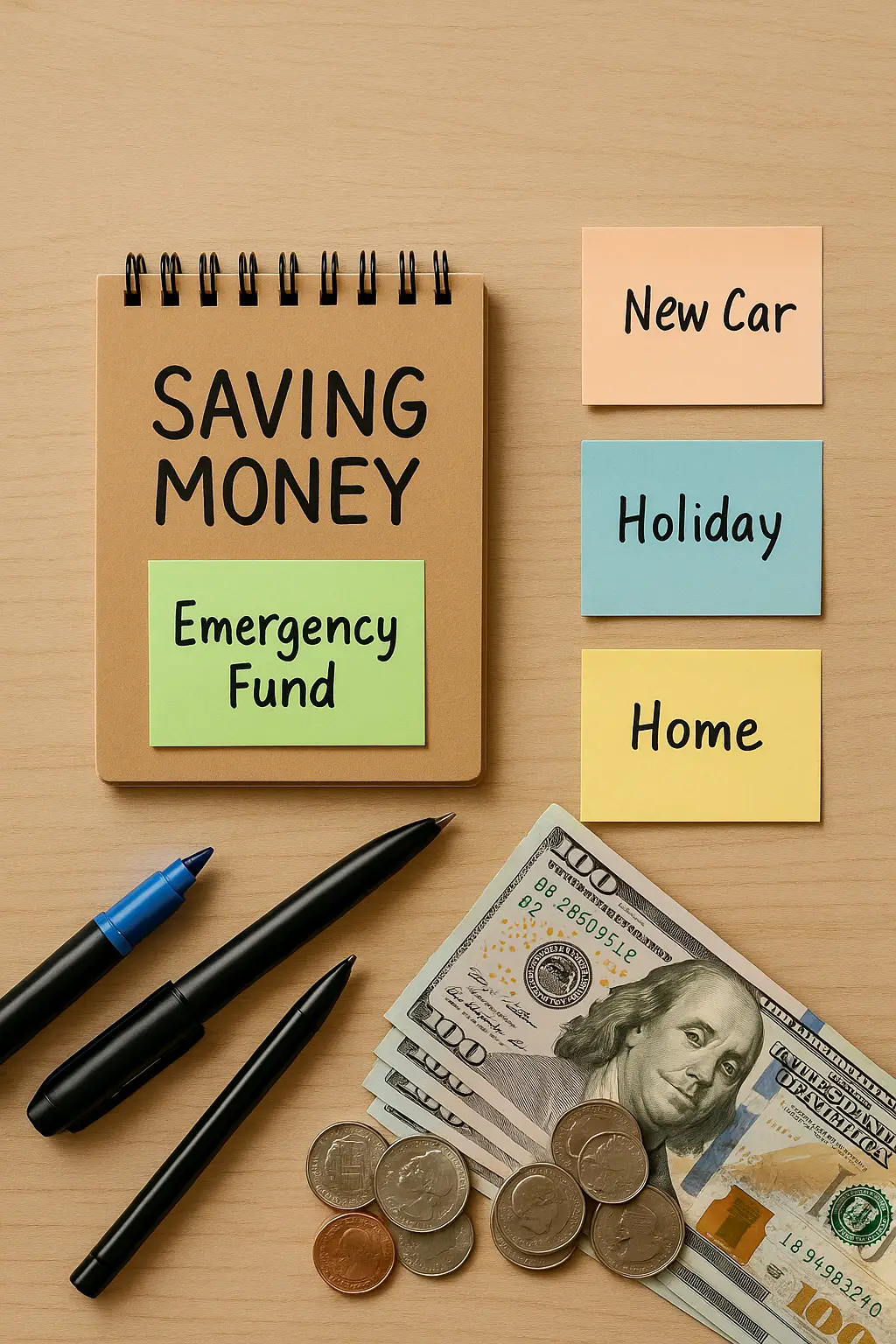
Sinking funds are small savings buckets for expenses you know will come up eventually. This could include car repairs, holidays, pet care, birthdays, or home maintenance. Because these expenses are predictable, setting aside small amounts each month helps you avoid panic when the bill arrives.
As this guide expands, you’ll find templates and examples for building your own sinking funds.
Add “Spend Less Days” to Your Week
Pick one or two days a week where you intentionally avoid spending money. These aren’t punishment days. They simply teach awareness and help you hit pause on automatic spending patterns. Even a couple of low-spend days each week can make a noticeable difference in your monthly totals.
Track Your Wins, Not Your Mistakes
Many people quit saving because they focus only on the times they slip. Instead, track your progress. Celebrate the weeks you saved something. Notice when your new habits start to feel easier. When you recognize your wins, you build motivation and stick with your plan longer.
Where to Go Next
To build a strong financial foundation, read:
Budgeting Basics Guide
For more government-backed guidance, visit:
https://www.consumer.gov/managing-your-money
This saving money guide will expand as I add more tips, challenges, and step-by-step tools to support your goals.