
Simple Investing for Long-Term Growth
This beginner ETF guide gives you a clear, simple breakdown of what ETFs are, how they work, and why so many beginner investors choose them as their first step into the market. Investing does not need to feel overwhelming. When you understand ETFs, the process becomes calmer, steadier, and much easier to manage long term.
As your Centsible Future library grows, this guide will expand with examples, sample portfolios, and step-by-step tutorials.
Beginner ETF Guide: What an ETF Really Is
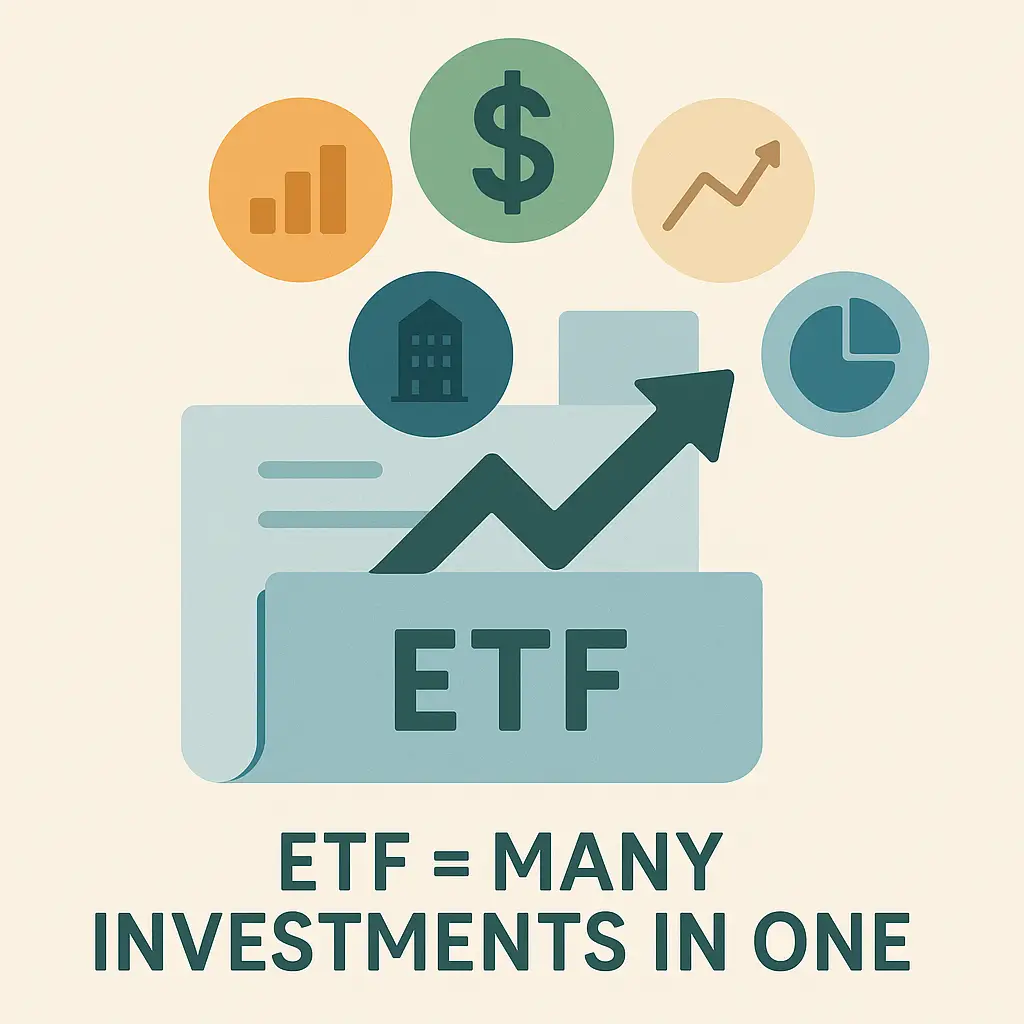
An ETF, or exchange-traded fund, is a group of investments bundled into one simple package. Instead of buying one single stock, you buy a small piece of many companies at once. Because of this, ETFs spread out risk and help protect beginners from putting all their money into one place.
In simple terms, an ETF is like a mixed basket instead of one single egg.
Why ETFs Are So Popular With Beginners
ETFs became popular because they solve many beginner investing problems at once. They are simple, flexible, and cost-effective.
They help beginners by offering:
-
Built-in diversification
-
Lower fees than many other investments
-
Easy buying and selling
-
Less stress from daily market swings
-
Strong long-term growth potential
Because of these benefits, ETFs are often the first investment tool people use.
How ETFs Make Investing Less Risky
Risk never disappears completely in investing. However, ETFs reduce risk by spreading your money across many companies. If one company struggles, the others help balance the impact.
For example, instead of betting on one tech company, a tech ETF spreads your money across dozens of them. This reduces extreme ups and downs and creates steadier growth over time.
Common Types of ETFs Explained Simply
ETFs come in many styles. You do not need to understand all of them at once. Here are the beginner-friendly categories.
Market Index ETFs
These follow major markets like the S&P 500 or the total U.S. stock market. They are steady and long-term focused.
Bond ETFs
These hold bonds instead of stocks. They grow slower but help stabilize a portfolio.
Sector ETFs
These focus on industries like technology, healthcare, or energy.
International ETFs
These invest outside the U.S. for global diversification.
As your investing confidence grows, you can explore these deeper.
How to Start Using ETFs as a Beginner
Starting with ETFs is simple and does not require large sums of money.
A basic beginner setup looks like this:
-
A beginner-friendly brokerage or investing app
-
One or two broad ETFs
-
A small weekly or monthly deposit
-
A long-term mindset
Even small amounts can grow into meaningful investments over time.
How Many ETFs Does a Beginner Really Need?
More is not always better. In fact, too many ETFs can create confusion. Most beginners do very well with:
-
One broad stock ETF
-
One bond ETF (optional for stability)
This simple structure keeps your strategy easy to follow and easy to maintain.
ETFs vs. Mutual Funds: What’s the Difference?
Both ETFs and mutual funds hold many investments inside one fund. However, there are key differences.
ETFs:
-
Trade like stocks
-
Usually have lower fees
-
Can be bought or sold anytime during market hours
Mutual funds:
-
Trade once per day
-
Often have higher fees
-
May require higher minimum investments
Because of this, many beginners lean toward ETFs for flexibility and lower costs.
What to Watch Out for When Choosing an ETF
Before buying any ETF, it helps to check:
-
Expense ratio (lower is better)
-
What companies the ETF holds
-
The goal of the fund
-
Long-term performance history
While past performance does not guarantee future results, it does provide helpful context.
Long-Term ETF Investing vs. Short-Term Trading
ETFs can be used for short-term trading, but that approach adds stress and risk. On the other hand, long-term ETF investing focuses on steady growth over years. Because of this, most beginners experience better results by holding ETFs instead of trying to time the market.
This beginner ETF guide focuses on the calm, long-term approach.
Common Beginner ETF Mistakes
Many new investors make the same early mistakes:
-
Buying too many ETFs at once
-
Chasing hot trends
-
Investing without a plan
-
Selling during market dips
-
Ignoring fees
Fortunately, a simple ETF strategy avoids most of these issues.
Where to Go Next
If you have not built your foundation yet, start here:
Investing Basics Guide
For official beginner guidance, visit:
https://www.investor.gov/introduction-investing/investing-funds
This beginner ETF guide will expand with examples, sample portfolios, and real-life case studies as you continue building your investing skills.