
Simple Steps to Take Control of Your Money
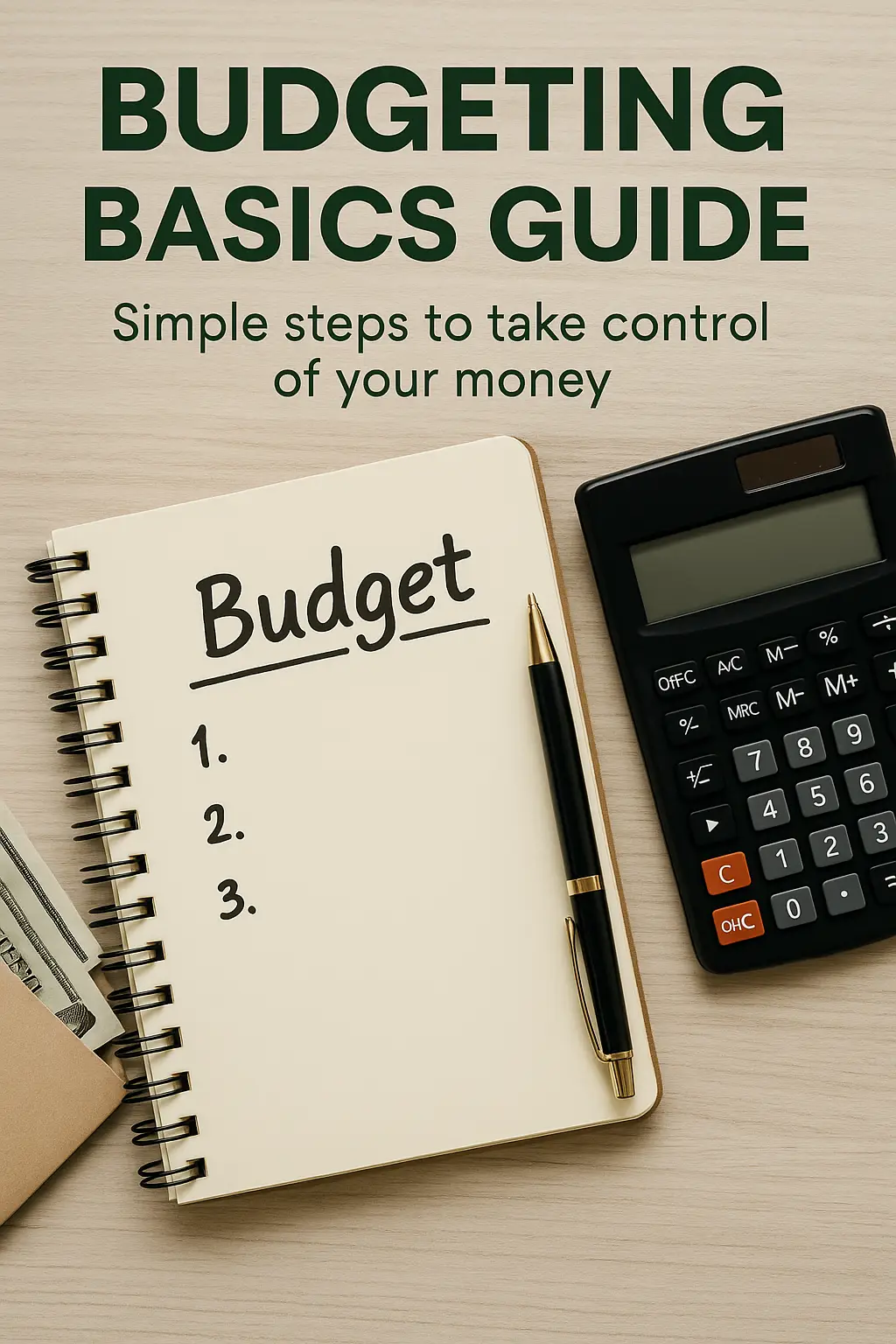
This budgeting basics guide gives you a clear, simple path to building a budget that works in your real life. A budget isn’t about restriction. Instead, it helps you understand your money, reduce stress, and make confident choices. As I release more content, this guide will grow with tools, examples, and step-by-step walkthroughs.
Budgeting Basics Guide: What a Budget Actually Is
A budget is a plan for how you want to use your money. It gives you awareness, structure, and freedom. With it, you can track spending, prepare for emergencies, and reach your goals faster. Because of that, a budget becomes a support system rather than a limit.
Why Budgeting Feels Hard for Most People
Many adults don’t struggle because they’re bad with money. Instead, budgeting becomes stressful for reasons that have nothing to do with skill. Income may feel unpredictable, expenses change, or life feels too busy to track every dollar. On top of that, most people were never taught how to budget in the first place.
Fortunately, budgeting gets easier once you remove the pressure to be perfect and start with simple steps.
How to Build a Beginner-Friendly Budget
A beginner budget only needs four pieces. When you follow these steps in order, everything becomes clearer.
1. List Your Monthly Income
Start by writing down every source of income. This may include paychecks, side work, benefits, or support payments. Once you know the total, the rest of your budget becomes easier to plan.
2. List Your Fixed Expenses
Fixed expenses stay mostly the same each month. Rent, insurance, car payments, and subscriptions fall into this category. Because these don’t change often, they form the base of your budget.
3. List Your Variable Expenses
Variable expenses shift from month to month. Groceries, gas, eating out, household items, and entertainment all fall here. Since this is where overspending often hides, tracking this section helps you make the biggest improvements.
4. Set Your Monthly Plan
After you know your income and expenses, assign every dollar a purpose. This doesn’t mean restricting yourself. Instead, it helps you turn guesswork into clarity.
The 50/30/20 Budget: An Easy Starting Point
If you want a simple beginning, the 50/30/20 method works well. It divides your money into three parts:
-
50 percent for needs
-
30 percent for wants
-
20 percent for savings or debt payoff
Although this is a common structure, you can adjust it to fit your situation. As this guide grows, I’ll add examples and templates you can copy.
Common Budgeting Methods Explained
Different people prefer different methods. Because of that, it helps to know your options.
Zero-Based Budgeting
Every dollar gets a job. This method gives full control and works well for people who like structure.
Envelope System
Money is divided into categories using envelopes or digital buckets. It’s helpful for anyone who overspends.
Pay-Yourself-First Budgeting
Savings come first, and bills come next. This method builds strong money habits over time.
I’ll expand each of these in future posts.
Tools You Can Use to Budget
You don’t need fancy tools to build a steady budget. While apps can help, many people prefer a notebook or a simple spreadsheet. As long as you use it consistently, any method can work well.
How to Stick to Your Budget Without Feeling Miserable
Consistency matters more than perfection. To stick with your plan:
-
Keep categories simple
-
Give yourself fun money
-
Review your budget once a week
-
Adjust your plan when life changes
-
Expect imperfect months
When you track your progress, budgeting starts to feel rewarding.
What to Do When Your Budget Doesn’t Work
Every budget needs adjustments. When something feels off, look for the reason. Your income may have changed, a bill might have increased, or your categories may be too tight. Instead of stopping, shift your plan. Because a budget is flexible, it can change as your life changes.
Where to Go Next
If you want to build long-term financial strength, read:
Investing Basics Guide
For simple, trustworthy government guidance:
https://www.consumer.gov/articles/1002-making-budget
This budgeting basics guide will expand as I create more examples, printable tools, and step-by-step walkthroughs. Bookmark it and come back whenever you want help getting your money organized.